

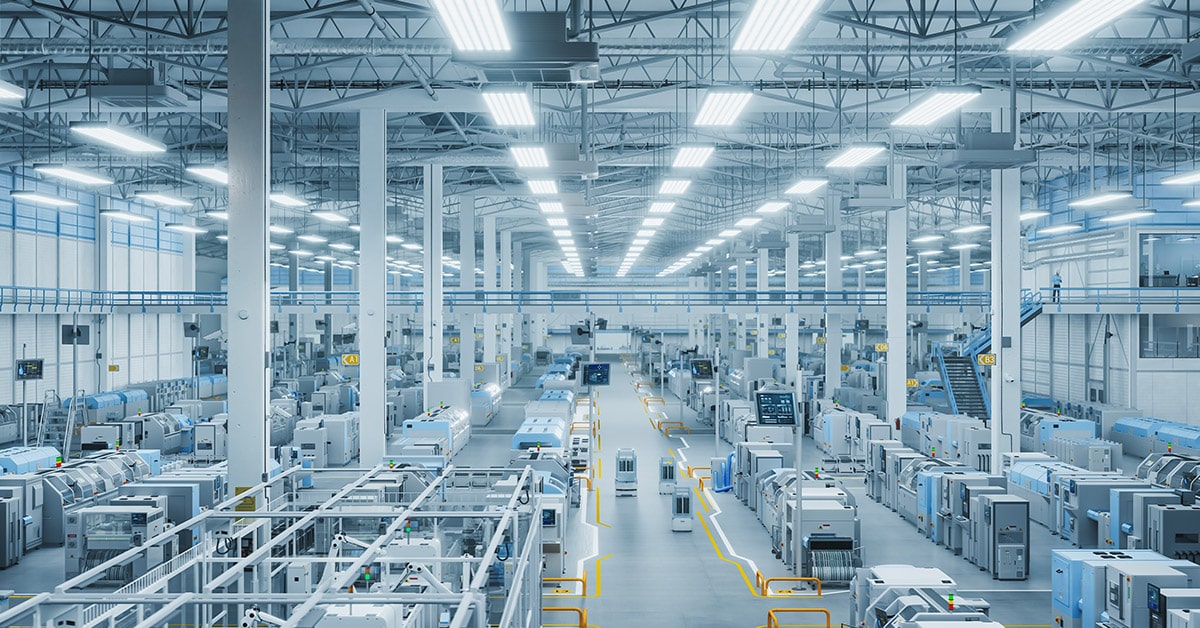
What Is an Industry?
An industry is a collection of businesses or organizations engaged in producing similar goods or delivering related services. Industries help structure the economy by grouping companies based on their primary activities, allowing markets, governments, and analysts to understand trends, performance, and growth patterns.
Importance of Industries in Economic Development
Industries play a vital role in shaping the economic health of a country. They create jobs, support innovation, generate revenue, and influence global trade. A strong industrial base helps countries remain competitive, resilient, and able to meet the demands of growing populations.
Major Types of Industries
Primary Industry
This sector focuses on extracting natural resources and raw materials. Examples include:
- Agriculture
- Mining
- Forestry
- Fishing
Secondary Industry
Involves processing and manufacturing raw materials into finished or semi-finished goods. Examples include:
- Construction
- Textile manufacturing
- Automobile production
- Food processing
Tertiary Industry
Provides services rather than physical goods. This sector includes:
- Banking
- Education
- Healthcare
- Transportation
- Hospitality
Quaternary Industry
Centered on knowledge-based services and intellectual activities. Examples include:
- Research and development
- Information technology
- Consulting
- Data analytics
Quinary Industry
Focuses on high-level decision-making and leadership roles. This includes:
- Government leadership
- Nonprofit management
- Corporate executives
- Scientific policy groups
How Industries Operate
Production and Supply Chains
Most industries rely on structured supply chains, from sourcing materials to delivering products or services. A well-coordinated chain improves efficiency and quality.
Technology Integration
Modern industries use technology to streamline operations, automate tasks, and enhance productivity. Digital systems, robotics, AI, and data analytics are transforming how industries function.
Workforce and Skills
Every industry depends on skilled labor. Training, talent development, and strong management practices ensure steady performance and innovation.
Regulations and Standards
Industries must follow safety rules, environmental guidelines, and legal requirements to operate responsibly and maintain trust.
Factors Influencing Industry Growth
Consumer Demand
Shifts in consumer preferences directly impact how industries evolve and expand.
Economic Conditions
Inflation, interest rates, and global economic trends influence industrial performance.
Technological Advancements
New tools and innovations open opportunities for efficiency and new market creation.
Competition
Industries grow faster when businesses innovate and differentiate within competitive markets.
Globalization
International trade allows industries to access new markets, talent, and resources.
Challenges Facing Modern Industries
Environmental Concerns
Many industries must reduce emissions, conserve resources, and adopt sustainable practices.
Supply Chain Disruptions
Global events, natural disasters, or political issues can interrupt production and distribution.
Skilled Labor Shortage
Fast-changing technologies require specialized skills that are sometimes in short supply.
Regulatory Changes
Industries must continuously adapt to new laws, safety requirements, and compliance standards.
The Future of Industries
Automation and AI
Increasing automation will reshape operations, reduce manual labor, and enhance efficiency.
Sustainable Production
Industries are shifting toward renewable materials, eco-friendly manufacturing, and circular economy models.
Digital Transformation
Technologies like cloud computing, IoT, and advanced analytics will continue driving innovation.
Global Collaboration
Cross-border partnerships will support knowledge exchange, market expansion, and economic stability.
FAQs
1. What is the main purpose of an industry?
Its purpose is to produce goods or provide services that meet consumer and market needs.
2. How do industries impact employment?
Industries generate millions of jobs, from entry-level positions to specialized roles, supporting economic stability.
3. Which industry is growing the fastest today?
Technology-driven sectors such as information technology, renewable energy, and digital services are currently expanding rapidly.
4. How does technology influence industries?
Technology improves efficiency, enhances quality, reduces costs, and enables new business models.
5. Why is sustainability important for industries?
It helps reduce environmental impact, meet regulatory expectations, and build long-term resilience.
6. How are industries classified?
They are typically categorized by their primary activities—such as primary, secondary, tertiary, quaternary, and quinary sectors.
7. What challenges do industries face in a global economy?
Common challenges include market competition, supply chain disruptions, shifting regulations, and technological change.
Comments are closed.